Choosing a suit for a girl is not only about picking a beautiful color or following the latest fashion trend. Age, comfort, activity level, fabric, fit, occasion, and personal style all influence whether an outfit actually works. A design that looks perfect on a teenager may feel too elaborate for a young child, while a simple outfit suitable for a six-year-old may look too plain on an older girl. 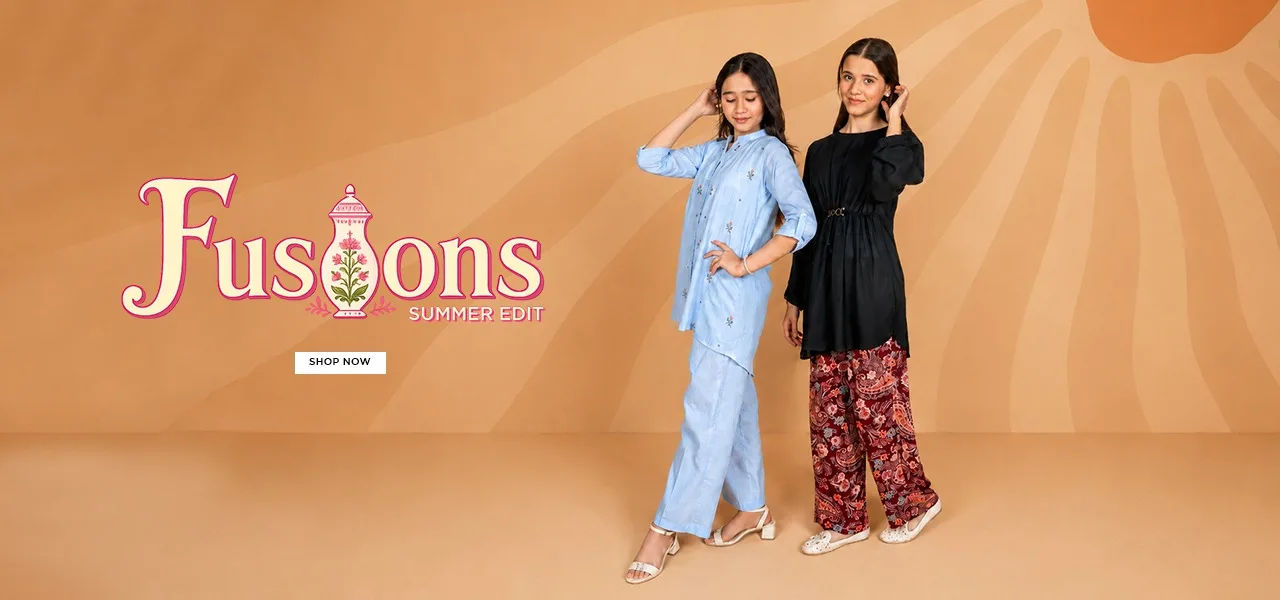 The right girls suit design should therefore match the child's age while still allowing her to move, sit, play, and feel comfortable.
The best approach is to think about clothing as a combination of style and practicality. Younger children generally benefit from softer fabrics, simpler cuts, and secure details, while older girls can experiment with more structured silhouettes, sophisticated prints, layering, embroidery, and contemporary styling. Age is a useful starting point, but it should never be the only factor.
Why Age Matters When Choosing a Girls Suit
Children change quickly as they grow. Their proportions, activities, preferences, and understanding of fashion can be very different from one age group to another.
A suitable outfit should reflect these changes. For example, toddlers need clothing that is easy to put on and remove, while school-age girls may need outfits that withstand frequent washing and active movement.
Teenagers, meanwhile, often want more control over what they wear. They may prefer current colors, modern cuts, subtle embroidery, or designs inspired by adult fashion.
Age-appropriate dressing does not mean restricting creativity. It means selecting clothing that makes sense for the girl's stage of development.
Girls Suit Design for Toddlers
For toddlers, comfort should come before decoration. Children in this age group are constantly moving, sitting on the floor, playing, and exploring their surroundings.
A practical girls suit design should therefore use lightweight and breathable materials. Cotton, lawn, soft cambric, and other comfortable fabrics can work well depending on the season.
Choose Comfortable Cuts
Loose or gently relaxed cuts are usually easier for toddlers to wear. Tight sleeves, narrow trousers, stiff waistbands, and restrictive necklines can make an outfit uncomfortable.
A slightly relaxed shirt paired with comfortable trousers or a simple shalwar can provide plenty of movement.
The neckline should also be easy to manage. Complicated closures may create unnecessary frustration when changing clothes.
Keep Embellishment Simple
Heavy beads, large decorative pieces, and complicated embroidery are generally unnecessary for everyday toddler clothing.
If the outfit is for a wedding or another formal event, modest embroidery around the neckline, sleeves, or hem can add a festive appearance without making the outfit excessively heavy.
Small decorative details should be securely attached. Loose embellishments can become inconvenient or unsuitable for very young children.
Girls Suit Design for Ages 4 to 7
Children between four and seven years old are becoming more independent. They also spend a considerable amount of time playing, attending school, visiting relatives, and participating in family events.
This makes versatility especially important.
A girls suit design for this age group can include brighter colors, playful prints, simple embroidery, and interesting sleeve styles.
Pick Fabrics According to Activity
For everyday wear, fabrics that are easy to wash and comfortable for extended periods are practical choices.
Cotton and lawn are popular in warm weather because they feel light and breathable. For cooler weather, thicker cotton blends, khaddar, and similar warm fabrics can be considered.
The fabric should not be selected only because it looks attractive in a photograph. A beautiful fabric that feels scratchy or stiff may quickly become an unwanted outfit.
Consider Play-Friendly Details
Girls in this age group may like colorful prints featuring flowers, geometric patterns, or other playful designs.
However, the outfit should still allow free movement.
Very long shirts, excessively wide sleeves, or trailing dupattas can become inconvenient during active play. For everyday use, practical proportions are usually more useful.
Girls Suit Design for Ages 8 to 11
Around eight to eleven, many girls begin developing stronger opinions about clothing. They may know which colors they like, which designs they dislike, and what their friends are wearing.
At this stage, parents can involve them in the selection process.
A girls suit design can become slightly more detailed without becoming overly mature. Printed shirts, embroidered necklines, contrasting trousers, patterned sleeves, and coordinated dupattas can create attractive outfits.
Balance Style With Age
The goal is not to make a child look like a much older person. Age-appropriate styling can still be fashionable.
For example, delicate floral embroidery can add elegance without creating an overly formal appearance. Small geometric prints can provide a modern look while remaining youthful.
Color combinations also become more flexible. Pastel shades can create a soft appearance, while brighter combinations can work particularly well for festive occasions.
Choose the Right Length
Shirt length deserves attention at this age.
A very short shirt may not provide the desired coverage, while an excessively long one can interfere with movement. The ideal length depends on the girl's height, the trouser style, and the intended occasion.
Trying the outfit on before purchasing is therefore useful whenever possible.
Girls Suit Design for Ages 12 to 14
Early teenage years often bring noticeable changes in personal style. Girls may begin moving away from obviously childish prints and toward more refined designs.
This is a good age for introducing contemporary cuts while maintaining comfort.
A girls suit design for this group might feature a straight shirt, slightly flared silhouette, embroidered neckline, printed dupatta, or coordinated separates.
Introduce More Sophisticated Colors
Teenagers may enjoy colors such as sage green, dusty pink, navy, maroon, beige, ivory, lavender, and muted blue.
That does not mean bright colors should be avoided. The important factor is whether the color fits the girl's personality and the occasion.
A simple color palette can also make an outfit easier to accessorize.
Experiment With Sleeves
Sleeves can change the appearance of an outfit significantly.
Bell sleeves, straight sleeves, cuffed sleeves, and slightly flared designs can all work depending on the overall outfit.
For everyday clothing, however, sleeves should remain practical. Extremely wide sleeves may look attractive but can interfere with writing, eating, or other daily activities.
Girls Suit Design for Ages 15 to 17
Older teenagers often have a clear sense of personal fashion. They may follow designers, social media trends, seasonal colors, or cultural styles.
At this age, the selection process can become more collaborative.
Instead of simply choosing an outfit for them, discuss the fabric, cut, color, and occasion together.
Consider Modern Silhouettes
Straight-cut shirts, A-line designs, long shirts, modest flares, and coordinated trousers can all work well.
The best girls suit design is one that complements the wearer's proportions without forcing her into a style she does not enjoy.
Teenagers may also appreciate more subtle embroidery rather than large decorative patterns.
Think About Versatility
A teenage wardrobe benefits from pieces that can be styled in several ways.
A plain shirt with attractive trousers can work for family gatherings, dinners, and casual events. A printed dupatta can change the appearance of a relatively simple suit.
This approach also makes clothing more practical because one outfit can serve multiple purposes.
Choosing a Suit According to Body Proportions
Age provides a useful guideline, but children of the same age can have very different heights and proportions.
Therefore, size labels should not be treated as absolute measurements.
Look at shoulder width, sleeve length, shirt length, trouser length, and overall ease.
Avoid Extremely Tight Clothing
Tight clothing can restrict movement and become uncomfortable after sitting for long periods.
This is particularly important for children who spend many hours at school or social gatherings.
A comfortable fit does not necessarily mean oversized clothing. The goal is enough room for natural movement without making the outfit look shapeless.
Avoid Excessively Oversized Designs
Oversized clothing can sometimes be fashionable, especially among teenagers, but there is a difference between a deliberately relaxed silhouette and clothing that simply does not fit.
If the sleeves cover the hands or trousers repeatedly need adjusting, the outfit may be too large.
Choosing Girls Suit Design for Different Occasions
The occasion should influence the design almost as much as age.
Everyday clothing requires durability and comfort. Party wear can include more decorative details. Wedding clothing may use embroidery, embellishment, richer fabrics, and coordinated accessories.
Everyday Wear
For regular use, select breathable fabrics, simple prints, and easy-care construction.
A comfortable two-piece suit can be particularly practical for school holidays, family visits, shopping trips, and casual gatherings.
The design should be easy to wash and simple enough that the child can wear it repeatedly without feeling overdressed.
School and Educational Events
If traditional suits are appropriate for school activities, choose practical designs.
Avoid unnecessary embellishment, complicated accessories, and sleeves that interfere with writing or classroom activities.
Durability is particularly important because school clothing can experience frequent washing and daily wear.
Weddings and Formal Events
Formal occasions allow more creativity.
Younger girls can wear colorful outfits with delicate embroidery and attractive prints. Older teenagers may prefer more sophisticated combinations with detailed necklines, elegant borders, or coordinated dupattas.
However, comfort still matters. Weddings often involve several hours of sitting, walking, eating, greeting guests, and moving between different areas.
An outfit that looks impressive for ten minutes but becomes uncomfortable after an hour is rarely a good practical choice.
How Fabric Changes With Age and Season
Fabric selection should depend on climate as well as age.
In hot weather, lightweight cotton, lawn, and breathable blends can help keep children comfortable.
In colder months, warmer materials such as khaddar, thicker cotton, linen blends, or suitable seasonal fabrics may be more appropriate.
The same girls suit design can feel completely different depending on the material used.
Summer Fabrics
Summer clothing should allow airflow and reduce the feeling of heaviness.
Light colors and breathable fabrics are often comfortable in warm conditions.
Parents should also consider whether the fabric becomes transparent under strong sunlight, particularly when choosing lightweight materials.
Winter Fabrics
Winter suits can use heavier materials and layered styling.
A warm shirt paired with a suitable shawl, cardigan, or jacket can provide flexibility. Older girls may particularly enjoy layering because it allows them to create different looks from the same basic outfit.
Matching Colors With Age
There are no strict color rules based on age, but certain combinations often create different visual impressions.
Younger girls may enjoy cheerful combinations such as pink and white, yellow and green, blue and peach, or colorful floral prints.
Older girls may prefer neutral combinations, deeper shades, pastels, monochrome outfits, or contrasting colors.
Instead of asking whether a color is "correct" for an age, consider whether it suits the girl's personality, complexion, occasion, and existing wardrobe.
How Much Embroidery Is Appropriate?
Embroidery can transform a simple suit into a formal outfit, but more decoration does not automatically mean better design.
For younger children, small embroidered motifs or delicate borders can be enough.
For teenagers, more detailed embroidery may work around the neckline, sleeves, hem, or dupatta.
Heavy embroidery can add weight to the garment, so it should be used thoughtfully, especially when the outfit will be worn for several hours.
Choosing Trousers and Bottoms
The lower part of the suit should coordinate with the shirt while allowing comfortable movement.
Young girls often do well with simple trousers or shalwars that are easy to manage.
As girls get older, options can include straight trousers, cigarette pants, wide-leg trousers, culottes, or traditional shalwars depending on the overall design.
The waistband deserves attention. It should sit securely without pressing uncomfortably against the waist.
Choosing the Dupatta
A dupatta can complete a traditional suit, but its practicality depends on age.
Very young girls may not need a full-length dupatta for everyday activities.
For older girls and teenagers, a lightweight dupatta can add elegance and provide additional styling options.
For active events, a manageable length and secure drape are often more practical than an extremely long piece of fabric.
Let the Girl Have a Say
One of the simplest ways to choose a successful outfit is to involve the girl in the decision.
Parents may focus on fabric quality, durability, fit, and price. The child may care more about color, print, sleeves, or whether the design feels fashionable.
Both perspectives matter.
Giving children reasonable choices also helps them develop their own understanding of clothing and personal style.
Common Mistakes to Avoid
One common mistake is buying clothing entirely according to trends without considering comfort.
Another is selecting a size based only on age. Age-based sizing varies between manufacturers, so actual measurements are more reliable.
Buying an outfit that is several sizes too large "for later" can also reduce its usefulness now.
It is equally important not to overdecorate children's clothing simply because the outfit is for a special event.
Good design usually comes from balance. Fabric, color, embroidery, fit, and accessories should complement one another rather than compete for attention.
A Simple Age-Based Selection Guide
For toddlers, focus on softness, easy dressing, simple cuts, and secure details.
For ages four to seven, prioritize movement, washable fabrics, cheerful colors, and practical proportions.
For ages eight to eleven, introduce more variety in prints, embroidery, colors, and styling while maintaining comfort.
For ages twelve to fourteen, consider contemporary silhouettes, refined colors, and more individual styling choices.
For ages fifteen to seventeen, allow greater involvement in selecting modern cuts, fabrics, colors, and accessories while keeping the outfit appropriate for its intended occasion.
These are guidelines rather than strict rules. A girl's height, preferences, cultural setting, climate, and lifestyle should always influence the final decision.
Conclusion
Choosing the right suit becomes much easier when age is treated as a starting point rather than a rigid rule. A toddler needs freedom of movement and simple construction, while a school-age girl may want brighter prints and more playful details. Older teenagers can explore refined colors, contemporary silhouettes, embroidery, and more personalized styling.
The most successful girls suit design combines appearance with comfort. Fabric should suit the weather, the fit should allow natural movement, and decorative details should match the occasion. A wedding outfit can be more elaborate than an everyday suit, but it should still be comfortable enough to wear for several hours.
Most importantly, the girl wearing the outfit should have some influence over the choice as she grows older. Fashion is personal, and giving her room to express that preference can make the clothing more enjoyable.
When age, comfort, fit, fabric, occasion, and personal taste are considered together, finding a suitable suit becomes less about following a fixed rule and more about creating an outfit that genuinely works for the child.