Proper washing is one of the most important parts of maintaining Salus Flame Resistant Workwear. Flame-resistant clothing is designed to provide protection against specific workplace hazards, but that protection depends on proper care. Incorrect washing methods, harsh chemicals, or unsuitable drying techniques can affect the garment’s performance, comfort, fit, and service life.
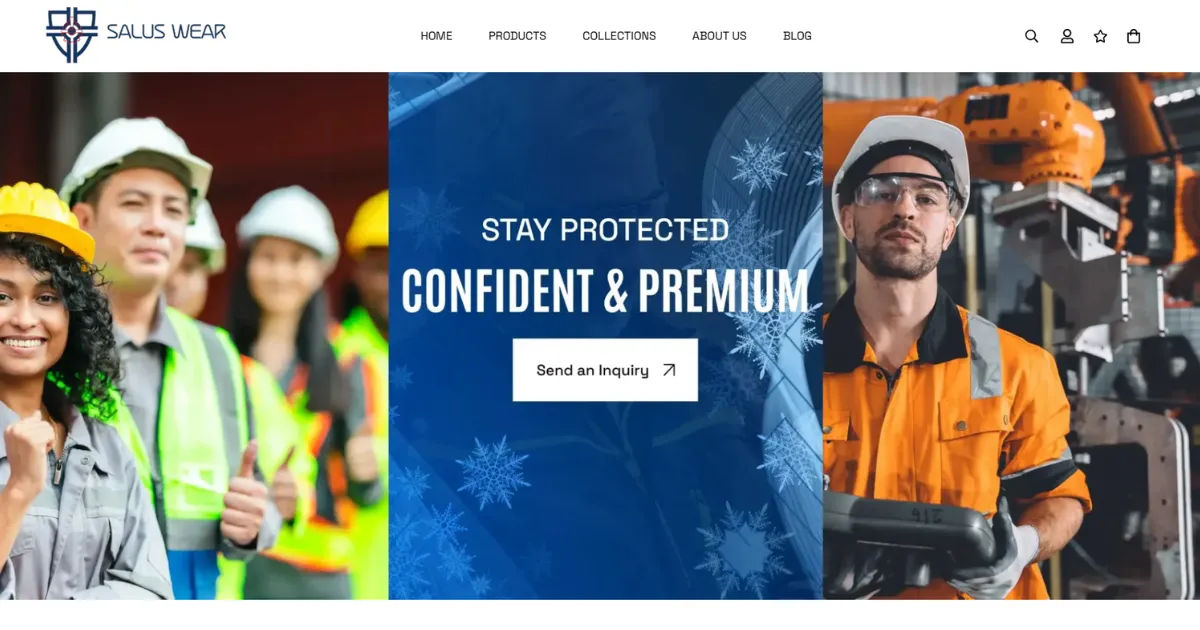
Workers in electrical, industrial, oil and gas, construction, welding, manufacturing, and other hazardous environments often depend on flame-resistant clothing every day. Because these garments can be exposed to dirt, grease, sweat, chemicals, and other contaminants, regular cleaning is necessary.
The good news is that washing flame-resistant workwear does not have to be complicated. The key is to follow the garment manufacturer's care instructions and use suitable washing products and temperatures. This guide explains how to wash, dry, inspect, and maintain your workwear while helping preserve its protective properties.
Why Proper Washing Matters
Flame-resistant clothing is different from ordinary work clothing. Its protective performance is an important part of its design, so it should not be treated like a regular cotton shirt or pair of work trousers.
Salus Flame Resistant Workwear should be cleaned regularly because accumulated dirt, oil, sweat, and other substances can make garments uncomfortable and may interfere with safe use.
Regular washing also helps control odors and keeps the fabric more comfortable against the skin. Clean clothing can make long work shifts easier, particularly when workers operate in hot or physically demanding environments.
However, cleaning should be done correctly. Using inappropriate detergents or extremely high temperatures may damage fabric fibers, fasteners, or other garment components.
Read the Care Label First
Before putting Salus Flame Resistant Workwear into a washing machine, check the care label attached to the garment.
The label provides important information about washing temperature, drying instructions, ironing, bleaching, and other care requirements. These instructions should take priority over general washing advice.
Different garments may use different fabric compositions and construction methods. Therefore, one garment may have slightly different care requirements from another.
If the garment has additional care instructions supplied by the manufacturer, keep those instructions available for future reference.
Check the Garment Before Washing
Inspect the clothing before placing it in the washing machine.
Remove objects from pockets and close zippers, snaps, and other fasteners when appropriate. Check for loose threads, damaged seams, broken closures, or excessive wear.
If the garment has been contaminated with hazardous substances, do not automatically place it in a household washing machine. Follow your workplace's contamination and laundering procedures.
What Detergent Should You Use?
A suitable laundry detergent is generally recommended for Salus Flame Resistant Workwear. A normal household detergent may be appropriate when the garment's care label allows it.
Choose a detergent that effectively removes normal workplace dirt without containing products that could compromise the fabric.
Avoid unnecessary additives. In particular, fabric softeners should generally be avoided unless the manufacturer's instructions specifically permit them.
Fabric softeners can coat fibers and potentially affect the performance of specialized workwear. The same principle applies to other laundry additives: if you are unsure, check the garment's care instructions first.
Avoid Chlorine Bleach
Chlorine bleach should not normally be used on flame-resistant workwear unless the manufacturer specifically states that it is acceptable.
Bleach can affect textile fibers and may reduce the expected performance or lifespan of some garments.
For heavily stained clothing, it is better to use the washing procedure recommended by the manufacturer rather than automatically reaching for a strong bleaching product.
How to Wash Salus Flame Resistant Workwear
The safest approach is to follow the care label and use the recommended washing cycle.
For ordinary workplace dirt, Salus Flame Resistant Workwear can typically be washed using a suitable domestic or commercial laundry process when the garment label permits it.
Start by separating heavily soiled workwear from lightly soiled clothing. This prevents excessive dirt and grease from transferring to other garments.
Turn garments inside out if the care instructions recommend doing so. Close appropriate zippers and fasteners to reduce unnecessary abrasion during the washing cycle.
Select the water temperature specified on the care label. Avoid assuming that hotter water always provides better cleaning.
Use the Correct Water Temperature
Water temperature should match the manufacturer's instructions.
Hotter water can sometimes help remove oils and heavy dirt, but excessive heat may cause unnecessary fabric stress, shrinkage, or damage to garment components.
If the label specifies warm water, do not automatically switch to a hotter setting because the clothing appears heavily soiled.
For particularly dirty garments, the correct solution may be a suitable detergent, longer washing cycle, or approved industrial laundering process rather than excessive temperature.
Dealing With Oil and Grease
Oil and grease are common contaminants in industrial workplaces.
When Salus Flame Resistant Workwear becomes greasy, pre-treatment may sometimes be appropriate, but only when compatible with the manufacturer's instructions.
Do not use an aggressive chemical simply because it appears effective at removing stains. Certain chemicals can interact with specialized fabrics or leave residues behind.
For significant contamination, workplace laundering procedures should be followed. Employers may have dedicated systems for cleaning protective clothing exposed to industrial substances.
After washing, inspect the garment carefully. If oil or another substance remains, do not assume that repeated washing will always solve the problem. Follow the appropriate cleaning guidance for that type of contamination.
Can You Wash Flame-Resistant Workwear With Other Clothes?
It is usually better to wash protective workwear separately from everyday clothing, particularly when the workwear is heavily soiled.
Mixing workwear with delicate clothing can cause dirt, grease, and workplace residues to transfer between garments.
Separate washing also makes it easier to follow the correct care instructions for the protective clothing.
If multiple flame-resistant garments are being washed together, make sure they have compatible care requirements.
How Often Should You Wash It?
There is no single washing schedule that works for every worker.
The appropriate frequency depends on the work environment, level of physical activity, weather, contamination, and workplace requirements.
Salus Flame Resistant Workwear should generally be washed whenever it becomes dirty, contaminated, or excessively sweaty.
Waiting too long between washes can allow dirt and workplace substances to build up. On the other hand, unnecessarily aggressive washing can increase normal fabric wear.
The goal is to keep the garment clean while following the manufacturer's recommended laundering process.
How to Dry Flame-Resistant Workwear
Drying is just as important as washing.
After cleaning Salus Flame Resistant Workwear, check the care label for the approved drying method.
Some garments may be suitable for tumble drying at a specified temperature, while others may be better air-dried.
Do not use excessive heat simply to make the drying process faster. High temperatures can cause unnecessary stress to fabric, elastic components, reflective materials, or other garment features.
Air Drying
Air drying can be a convenient option when permitted by the care instructions.
Hang the garment in a clean, well-ventilated area. Avoid leaving it in a location where it can become contaminated again with oil, chemicals, dust, or other workplace substances.
Direct sunlight may affect some colors and materials over time, so follow the manufacturer's recommendations regarding outdoor drying.
Tumble Drying
If the care label permits tumble drying, select the recommended temperature and cycle.
Avoid excessively hot settings. Remove the garment when it is dry rather than repeatedly exposing it to unnecessary heat.
Never ignore the drying instructions simply because the garment appears durable. Protective clothing is engineered for a specific combination of materials and construction, and correct care helps preserve its intended characteristics.
Can You Iron Flame-Resistant Workwear?
Whether ironing is suitable depends on the individual garment.
If the care label permits ironing, use the recommended temperature. Do not apply excessive heat to areas containing reflective strips, logos, elastic materials, or specialized components.
If ironing is not recommended, avoid it.
For many work garments, proper washing and drying can reduce wrinkles sufficiently for practical workplace use.
What About Fabric Softener?
Fabric softener is one of the products workers should approach cautiously.
With Salus Flame Resistant Workwear, avoid fabric softeners unless the garment manufacturer specifically permits their use.
Fabric softeners are designed to leave substances on textile fibers. Specialized protective clothing may require the fabric to maintain particular performance characteristics, so unnecessary residues should be avoided.
Instead, use an appropriate detergent and the washing process specified by the care label.
Avoid Contamination From Other Products
Laundry products are not the only potential concern.
Paint, solvents, petroleum products, chemicals, and other workplace substances can remain on clothing if laundering is inadequate.
A garment that looks clean is not necessarily free from every contaminant.
Workers should follow workplace procedures for clothing exposed to hazardous substances. In some situations, professional or industrial laundering may be required.
This is especially important when the garment has been exposed to substances that could create a secondary hazard.
Inspect the Garment After Washing
Cleaning provides a good opportunity to inspect protective clothing.
After washing Salus Flame Resistant Workwear, look closely at the fabric, seams, closures, cuffs, pockets, and other high-wear areas.
Check for holes, tears, thinning fabric, broken stitching, damaged fasteners, or other signs of deterioration.
Reflective strips and other visibility features should also be checked when present.
A clean garment is not automatically a safe garment. Physical damage can affect the protection provided by workwear.
Know When to Replace It
Every garment eventually reaches the end of its useful life.
If Salus Flame Resistant Workwear becomes severely damaged, excessively worn, or otherwise unsuitable for continued use, it should be removed from service according to workplace procedures.
Do not continue using protective clothing simply because it has been washed successfully many times.
The service life depends on factors such as frequency of use, working conditions, laundering practices, abrasion, exposure, and garment construction.
Common Washing Mistakes to Avoid
Several simple mistakes can shorten the useful life of flame-resistant workwear.
One common mistake is using chlorine bleach without checking the care instructions. Another is adding fabric softener because it makes ordinary clothing feel softer.
Using excessive heat is another problem. Workers may assume that very hot water or high-temperature drying provides better cleaning, but excessive heat can cause unnecessary damage.
Ignoring contamination is also dangerous. If clothing has been exposed to hazardous substances, normal household laundering may not be sufficient.
Another mistake is failing to inspect the clothing after washing. Small holes or damaged seams can become larger problems during the next work shift.
Tips for Maintaining Workwear Longer
Good laundering habits can help extend the useful life of protective clothing.
Keep dirty garments in a suitable laundry container rather than leaving them on contaminated floors or surfaces.
Do not store wet clothing for long periods. Moisture can contribute to unpleasant odors and other problems.
Follow the care label every time, especially when trying a new laundry product or cleaning method.
Avoid unnecessary chemical treatments.
Inspect garments regularly, not only when they are visibly dirty.
If your workplace provides specific laundering procedures, follow those procedures rather than relying entirely on general household laundry practices.
Professional Laundering Considerations
Some workplaces use professional laundering services for protective clothing.
This can be particularly useful in industries where garments regularly encounter heavy dirt, grease, chemicals, or other contaminants.
Professional services may have specialized equipment and procedures designed for industrial workwear.
Employers should establish clear policies covering the collection, cleaning, inspection, repair, and replacement of protective clothing.
Workers should know whether they are expected to wash their own garments or use an employer-provided laundering service.
Why Care Instructions Should Never Be Ignored
Protective clothing is part of a larger workplace safety system.
Salus Flame Resistant Workwear should be maintained according to its manufacturer's instructions because improper care can affect more than appearance.
The purpose of flame-resistant clothing is to provide a level of protection under specified conditions. Maintaining that clothing correctly supports its intended use.
Workers should therefore treat laundering as part of PPE maintenance rather than as an ordinary household chore.
Frequently Asked Questions
Can I wash flame-resistant workwear in a washing machine?
If the care label permits machine washing, you can use the specified machine-washing cycle. Always follow the garment's instructions regarding temperature, detergent, and drying.
Should I use regular laundry detergent?
A suitable detergent may be used when permitted by the manufacturer's instructions. Avoid unapproved additives such as fabric softeners and chlorine bleach.
Can I use hot water?
Only use the temperature specified on the care label. Do not assume that hotter water is better for cleaning.
Can I use fabric softener?
Avoid fabric softener unless the manufacturer specifically permits it. Protective garments should be maintained according to their approved care instructions.
Can I tumble dry the clothing?
Tumble drying may be acceptable for some garments. Check the care label and use the specified temperature and cycle.
What should I do if the garment has oil on it?
Follow the manufacturer's cleaning instructions and your workplace contamination procedures. Heavy or hazardous contamination may require professional laundering.
Does washing remove flame resistance?
Proper laundering according to the manufacturer's instructions is intended to maintain the garment's designed performance. Improper laundering, contamination, physical damage, or excessive wear can create problems, so care instructions should always be followed.
Conclusion
Washing protective clothing correctly is an important part of workplace safety and garment maintenance. Salus Flame Resistant Workwear should be cleaned regularly, but cleaning methods must be compatible with the manufacturer's care instructions.
Start by reading the care label. Use the recommended detergent and water temperature, and avoid unapproved products such as chlorine bleach or fabric softener. Wash heavily contaminated clothing according to your workplace procedures rather than treating it like ordinary household laundry.
Dry the garments using the recommended method and avoid unnecessary heat. Once the clothing is dry, inspect it for holes, damaged seams, worn fabric, broken fasteners, and other problems.
Most importantly, remember that cleanliness and protection are connected but not identical. A garment can look clean while still being damaged or unsuitable for continued use.
Proper care can help preserve comfort, appearance, durability, and the intended protective characteristics of Salus Flame Resistant Workwear. By following the manufacturer's instructions and workplace safety policies, workers can make better decisions about washing, drying, inspecting, and replacing their protective clothing.
The simplest rule is also the most important: clean it correctly, inspect it regularly, and replace it when it no longer meets the required condition for safe work.