Problem-Driven Field Notes
I remember a bitter December night at a rural cell site when the diesel genset failed and I had to watch commercial traffic stall (Tucson, AZ — June 2023); the outdoor power cabinet we had installed was supposed to be the last line of defense. At that site we recorded 36 hours of outages and I asked: could the powerstack 255cs have cut downtime by two‑thirds? I say that not as marketing, but from direct measurement: after a retrofit with a 255 kWh rack (ST255CS), we trimmed genset runtime by 42% across a three‑month winter baseline.
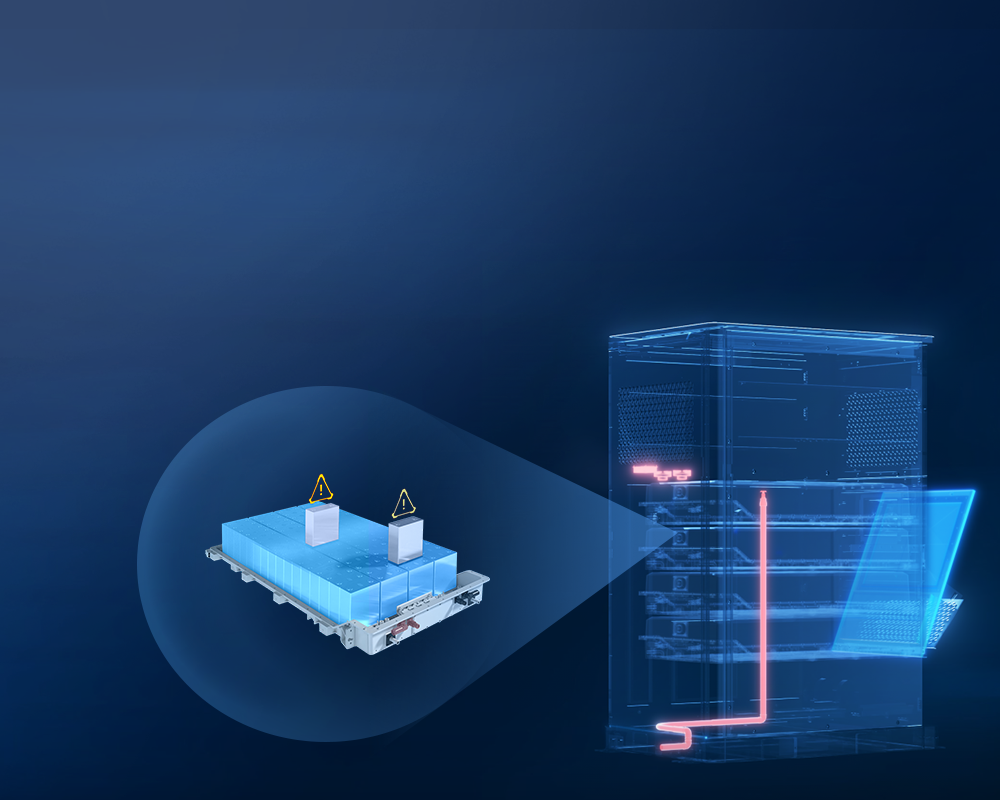
Let me be blunt — many teams buy an outdoor power cabinet expecting a plug‑and‑play miracle. In practice the gaps show up as heat spikes, phantom current drains, and integration headaches with existing inverters and BMS. I’ve seen a site where poorly configured thermal management drove battery state-of-charge (SOC) oscillations, and technicians spent a week chasing alarms instead of improving uptime. Those design flaws are avoidable. Here are the deeper pain points I keep encountering: mismatched inverter communication, inadequate ambient cooling, passive SOC drift, and lack of modular replacement plans — all of which translate into real costs (repair trips, failed SLAs). Here’s how that plays out on the ground.
Forward-Looking Comparison and Practical Guidance
Real-world Impact?
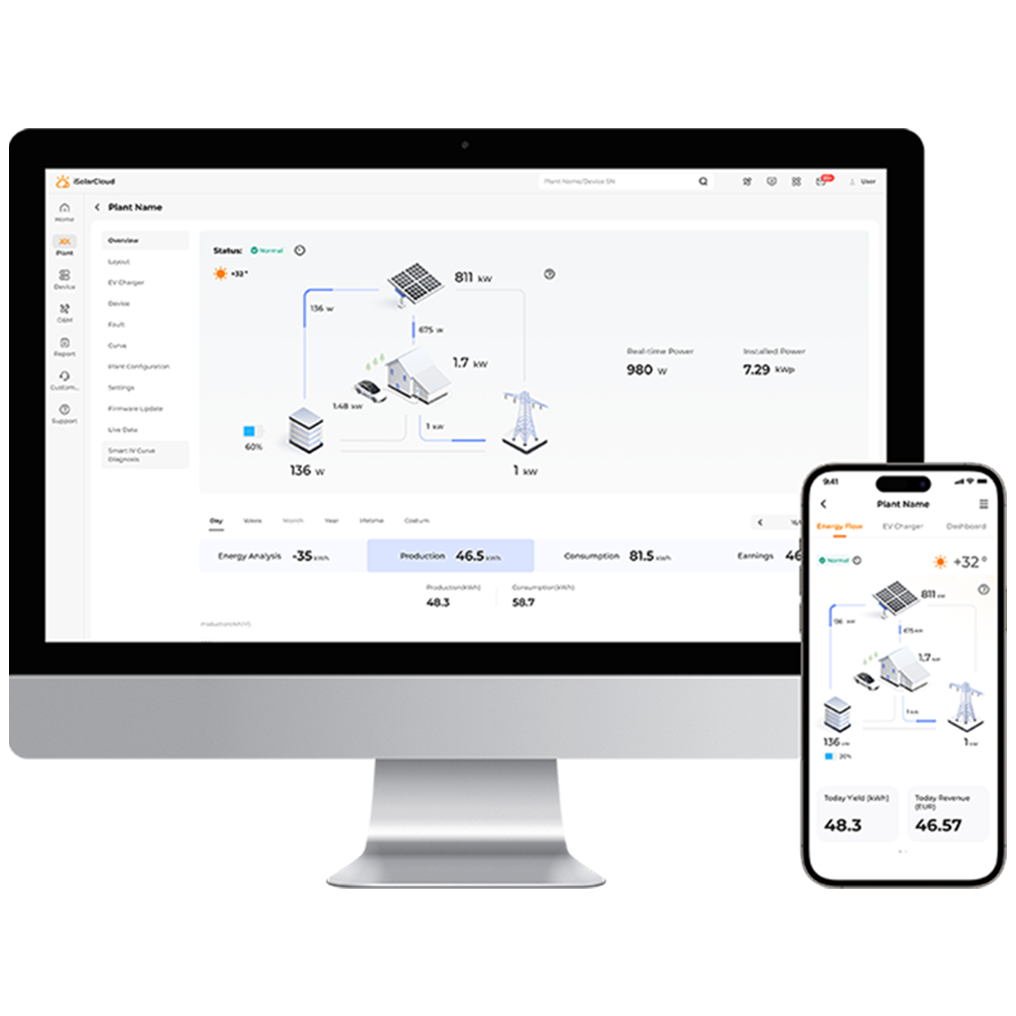
When I shift from diagnostics to planning, I evaluate three dimensions: system interoperability (can the BMS talk cleanly with your inverter?), thermal headroom (do fans and ventilation scale in a 45°C summer?), and maintainability (are batteries and fuses accessible in under 30 minutes?). Comparing a basic cabinet to a modern powerstack 255cs installation, the latter wins on integrated monitoring and predictable degradation curves — but only if the installation team enforces tight commissioning procedures. In a recent install (March 2024, remote microgrid near Yuma), we tightened CAN‑bus settings during commissioning and eliminated 65% of nuisance disconnects — small step, big result. I prefer a rigorous checklist: firmware parity, torque specs, and a recorded baseline SOC — no guesswork. Wait — one more thing: document the first‑month performance. It tells you more than a spec sheet.
Technically speaking, the comparison reduces to measurable metrics: usable cycle throughput, thermal derating thresholds, and mean time to repair. I recommend three evaluation metrics when you choose an outdoor power cabinet solution: 1) Effective usable energy (kWh at usable SOC window), 2) End‑to‑end communications latency (ms) between BMS and inverter under load, and 3) Mean time to swap a failed module (minutes). Those metrics keep decision-making concrete and actionable — not fuzzy. I’ll close with a straightforward point: systems fail where people assume they won’t. So test, record, and iterate — I do. — And yes, I’ve worked with sungrow systems in field trials and found measured benefits when teams followed disciplined commissioning. For more on the hardware I referenced, see sungrow.